




Dave Muller Hyperallergic
10 Art Shows to See in Los Angeles this April featuring Dave Muller's Proto Typical by Matt Stromberg in Hyperallergic.

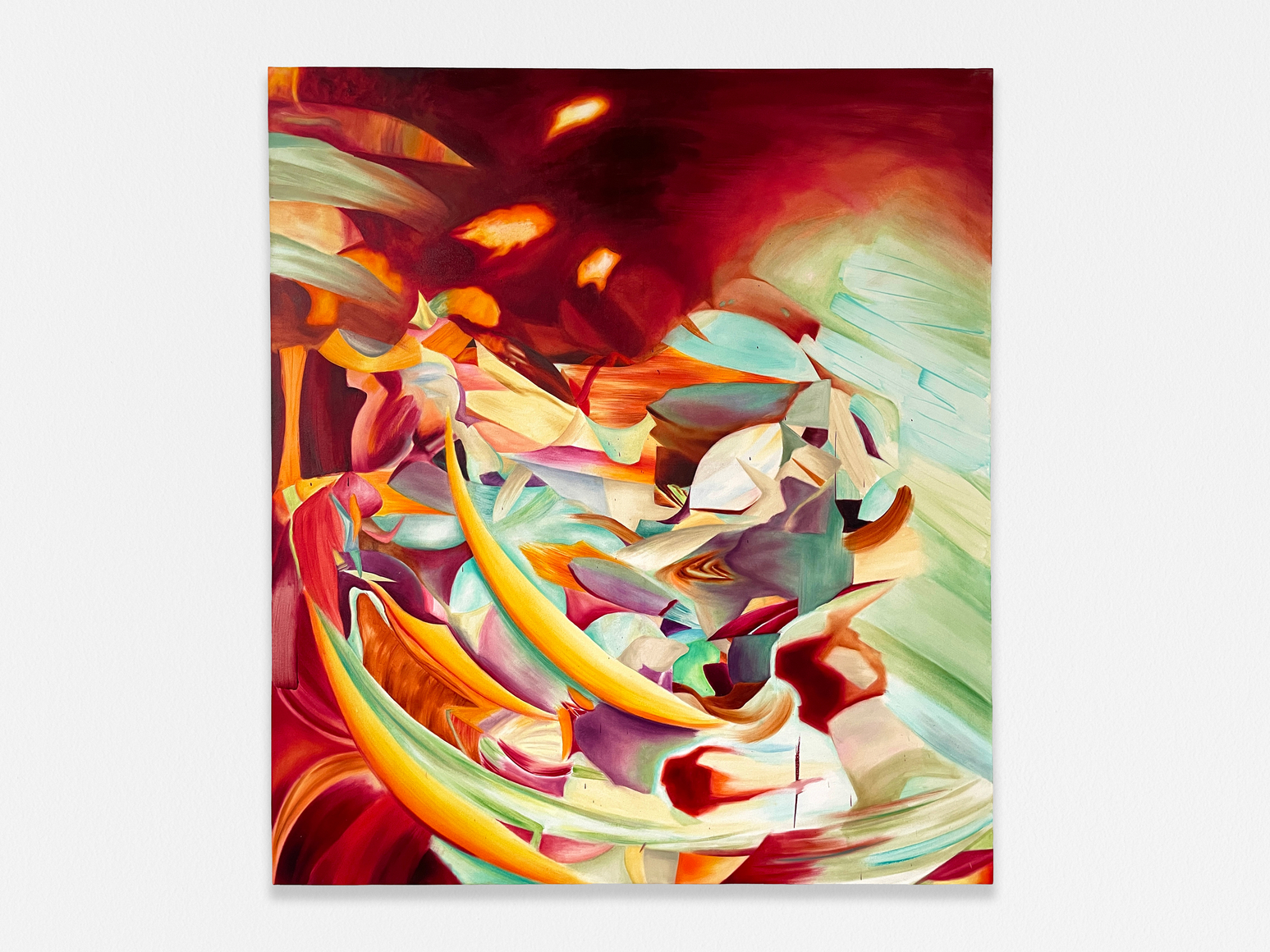
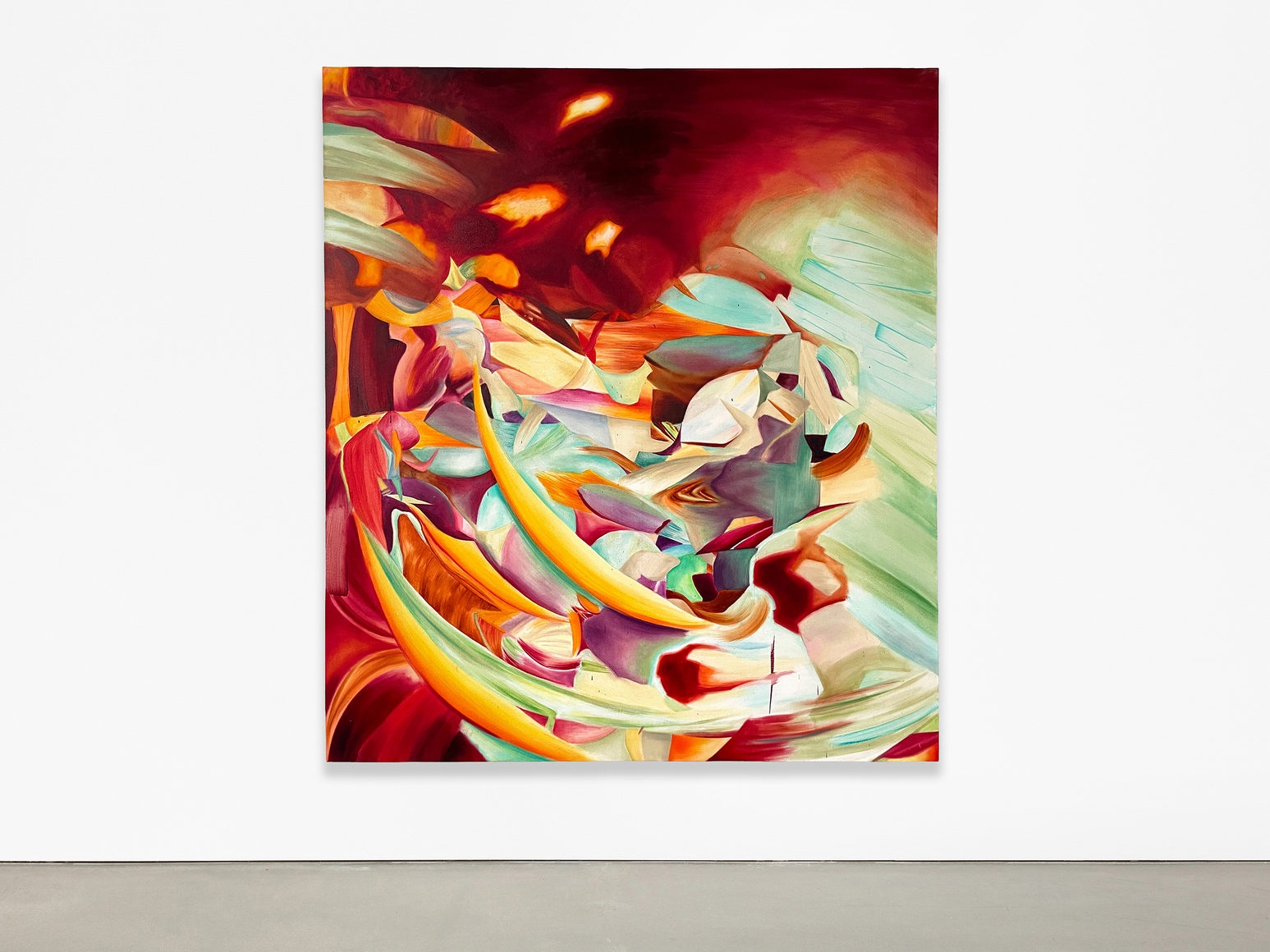
Dave Muller
Youth Misspent (in Record Stores):
$157.96 + 41.49 € + 1,365 * + Bs.S40 + R4.99, 2022
Acrylic on gessoed plywood panel
60 x 48 x 1 5/8 in / 152.4 x 121.9 x 4.1 cm
DM011/ DM1381
Dave Muller
Youth Misspent (in Record Stores):
$157.96 + 41.49 € + 1,365 * + Bs.S40 + R4.99, 2022
Acrylic on gessoed plywood panel
60 x 48 x 1 5/8 in / 152.4 x 121.9 x 4.1 cm
DM011/ DM1381
Dave Muller
Vermont, Two Days After the Eclipse (Bedroom, Facing West), 2024
Acrylic on gessoed plywood panel
58 ¼ in diameter x 1 ¼ depth / 24.1 cm diameter x 3.2 cm depth
DM009 / DM1407
Dave Muller
Vermont, Two Days After the Eclipse (Bedroom, Facing West), 2024
Acrylic on gessoed plywood panel
58 ¼ in diameter x 1 ¼ depth / 24.1 cm diameter x 3.2 cm depth
DM009 / DM1407
Dave Muller
Rob's Top Eleven Speculative Alternate, 2016
Acrylic on paper (framed)
84 x 36 in / 213.8 cx 91.4 cm paper size
86 ½ x 38 ½ in / 219.7 x 97.8 cm framed
Framed: 86 ½ x 38 ½ in / 219.7 x 97.8 cm framed
DM001 / DM1147
Dave Muller
Rob's Top Eleven Speculative Alternate, 2016
Acrylic on paper (framed)
84 x 36 in / 213.8 cx 91.4 cm paper size
86 ½ x 38 ½ in / 219.7 x 97.8 cm framed
DM001 / DM1147
Dave Muller
Three Forty-Seven #3, 2025-26
Acrylic on gessoed plywood panel
30 in diameter x 1 ¼ in depth / 76.2 diameter x 3.2 cm depth
DM010 / DM1502
Dave Muller
Three Forty-Seven #3, 2025-26
Acrylic on gessoed plywood panel
30 in diameter x 1 ¼ in depth / 76.2 diameter x 3.2 cm depth
DM010 / DM1502
Petra Cortright
softdrive_flare "angelbit" crush_ribbon modemhalo, 2025
Digital painting on Birch wood panel
40 x 57 ¼ in / 101.6 x 145.4 cm
Framed: 42 ¾ x 59 x 2 in / 108.6 x 159.9 x 5.1 cm
PC001
Petra Cortright
softdrive_flare "angelbit" crush_ribbon modemhalo, 2025
Digital painting on Birch wood panel
40 x 57 ¼ in / 101.6 x 145.4 cm
Framed: 42 ¾ x 59 x 2 in / 108.6 x 159.9 x 5.1 cm
PC001
Petra Cortright
netlock.exe charmfield "twilight_input" glowtrace, 2025
Digital painting on canvas
40 x 30 in / 101.6 x 76.2 cm
Framed: 42 ¼ x 31 ¼ x 2 in / 104.8 x 79.4 x 5.1 cm
PC002
Petra Cortright
folderdust velvetflux "datapool" softreboot, 2025
Digital painting on canvas
40 x 30 in / 101.6 x 76.2 cm
Framed: 42 ¼ x 31 ¼ x 2 in / 104.8 x 79.4 x 5.1 cm
PC003
Meg Cranston
Untitled (title TBC), 2026
Acrylic on canvas
57 x 47 x 2 in / 144.8 x 199.4 x 5.1 cm
MC106
Meg Cranston
Untitled (title TBC), 2026
Acrylic on canvas
57 x 47 x 2 in / 144.8 x 199.4 x 5.1 cm
MC106
Adam Saks
Duel, 2026
Glazed ceramic
9 ¼ x 9 x 9 in / 23.5 x 22.9 x 22.9 cm
AS039
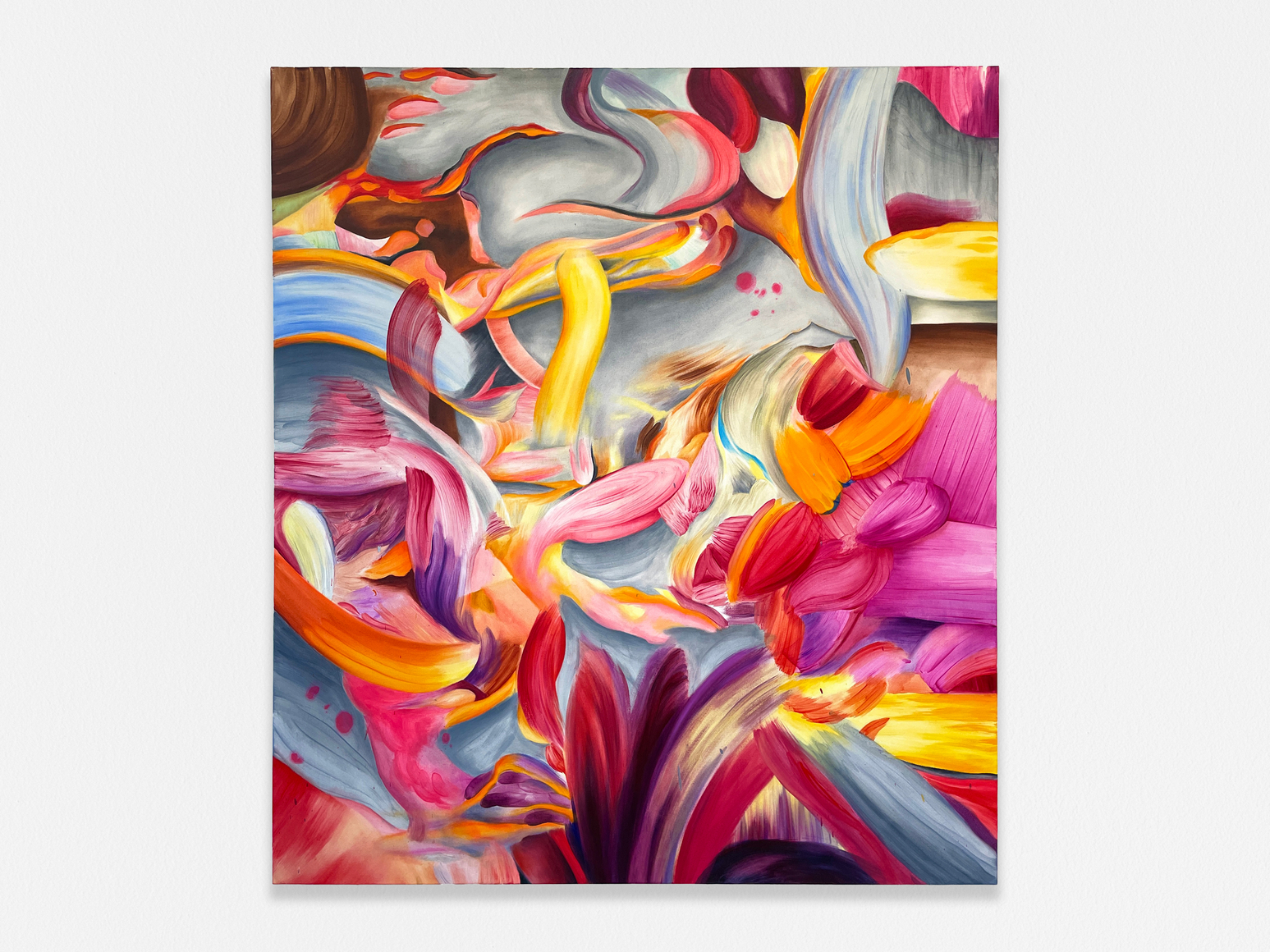
Helen Bermingham
On a map of dreams and woes, 2026
Oil on canvas
70 ¾ x 63 in / 180 x 160 cm
HB003
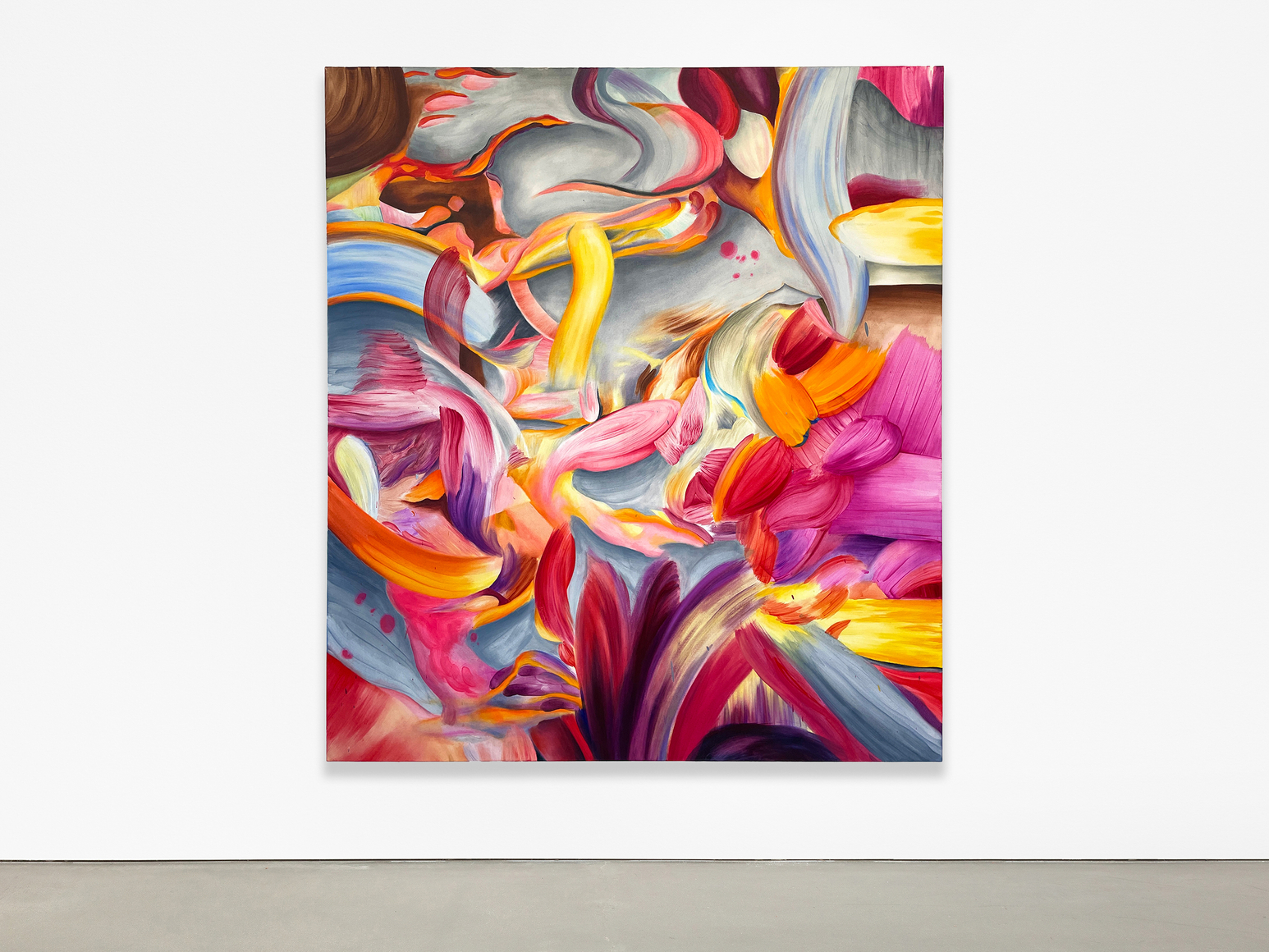
Helen Bermingham
On a map of dreams and woes, 2026
Oil on canvas
70 ¾ x 63 in / 180 x 160 cm
HB003
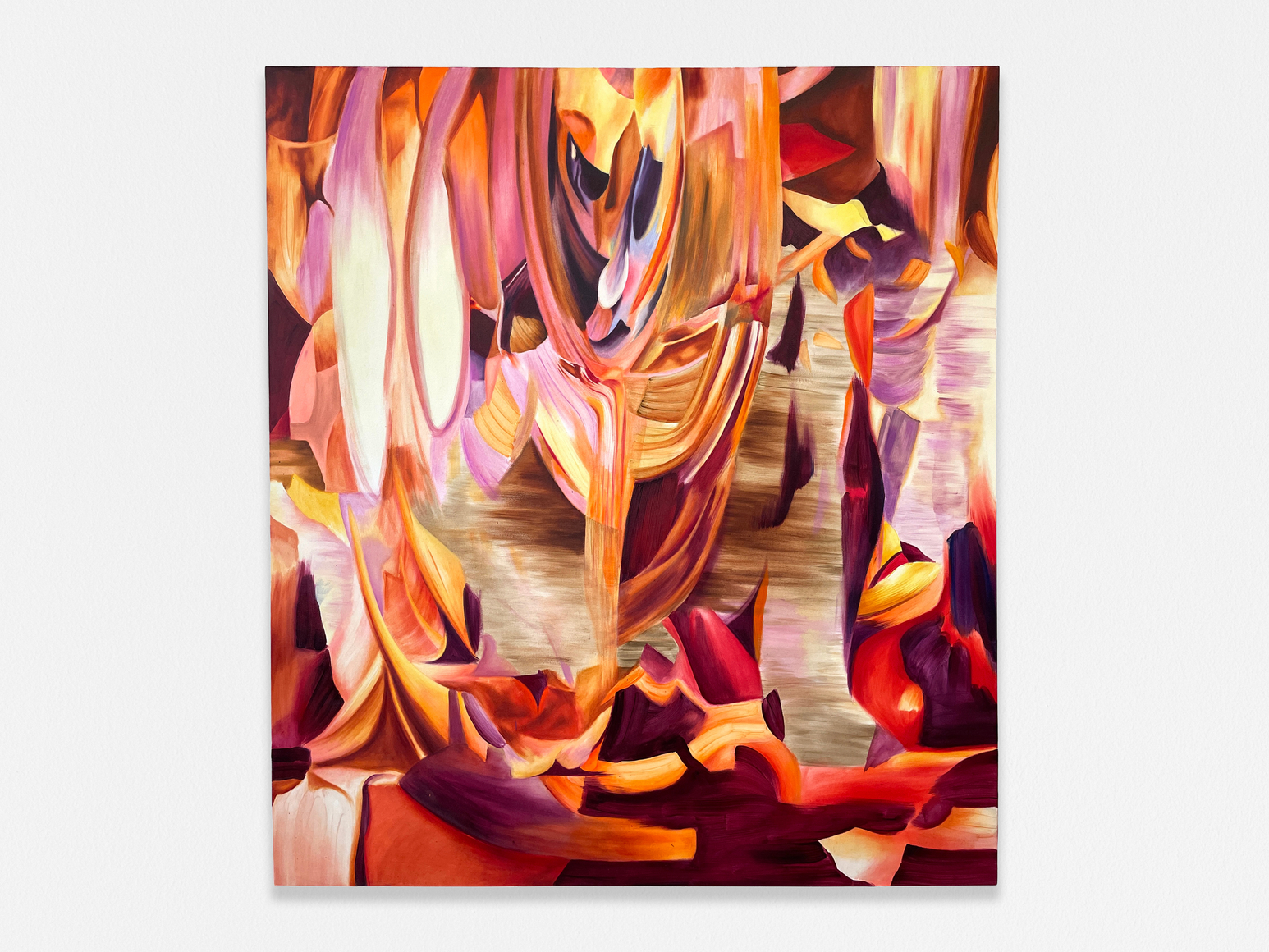
Helen Bermingham
Don’t we always lie amongst the ruins, 2026
Oil on canvas
70 ¾ x 63 in / 180 x 160 cm
HB002
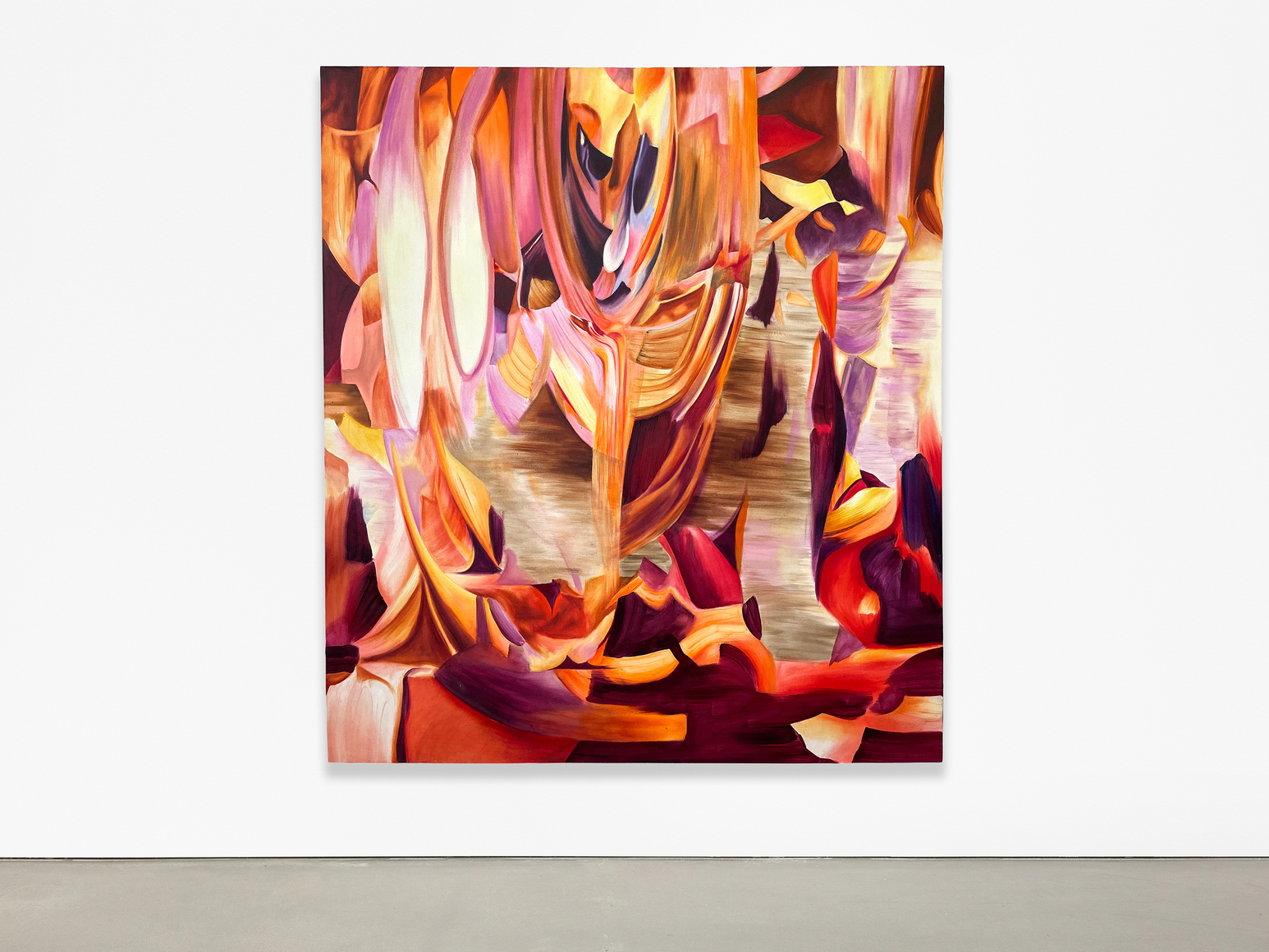
Helen Bermingham
Don’t we always lie amongst the ruins, 2026
Oil on canvas
70 ¾ x 63 in / 180 x 160 cm
HB002
Helen Bermingham
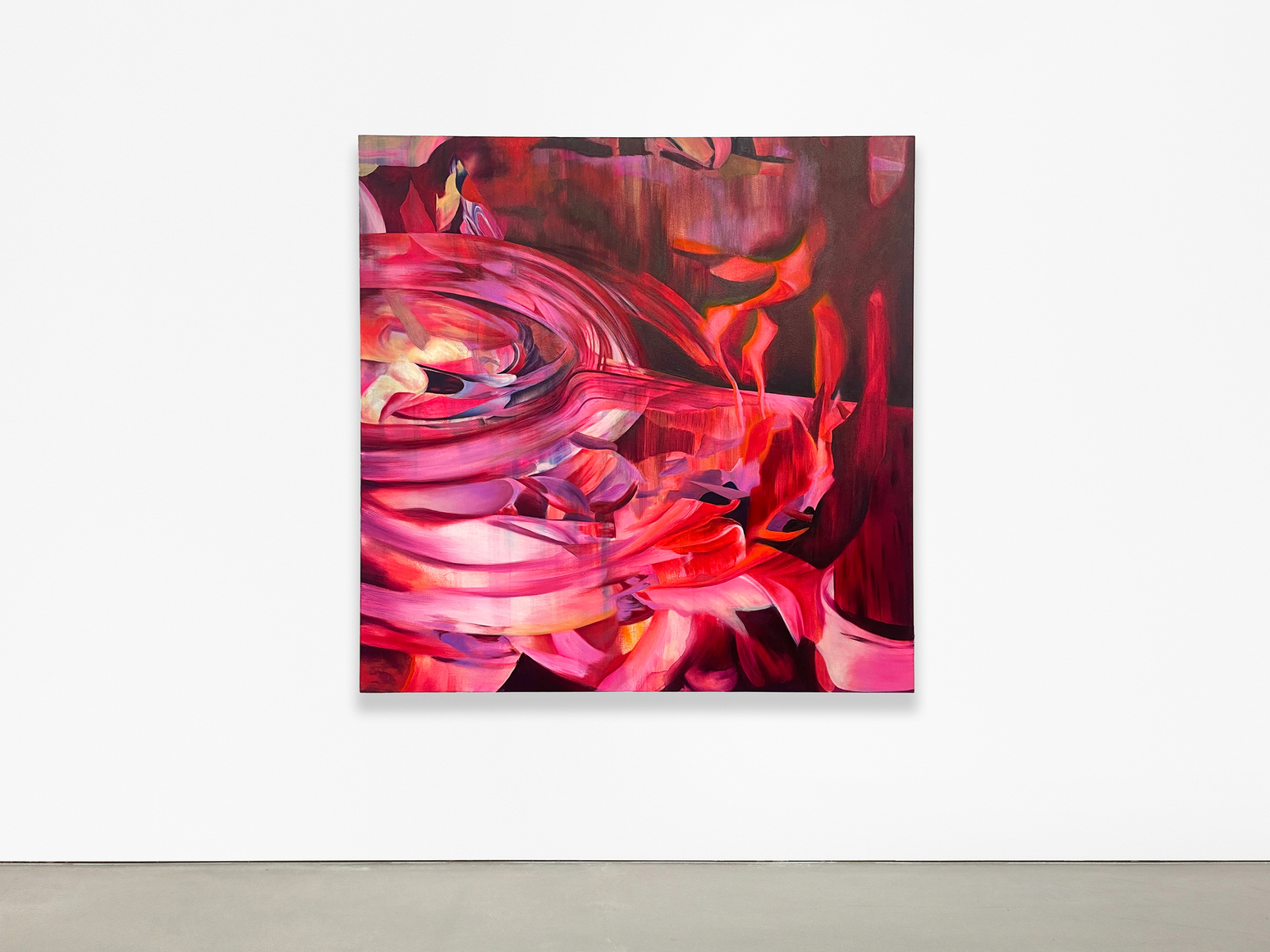
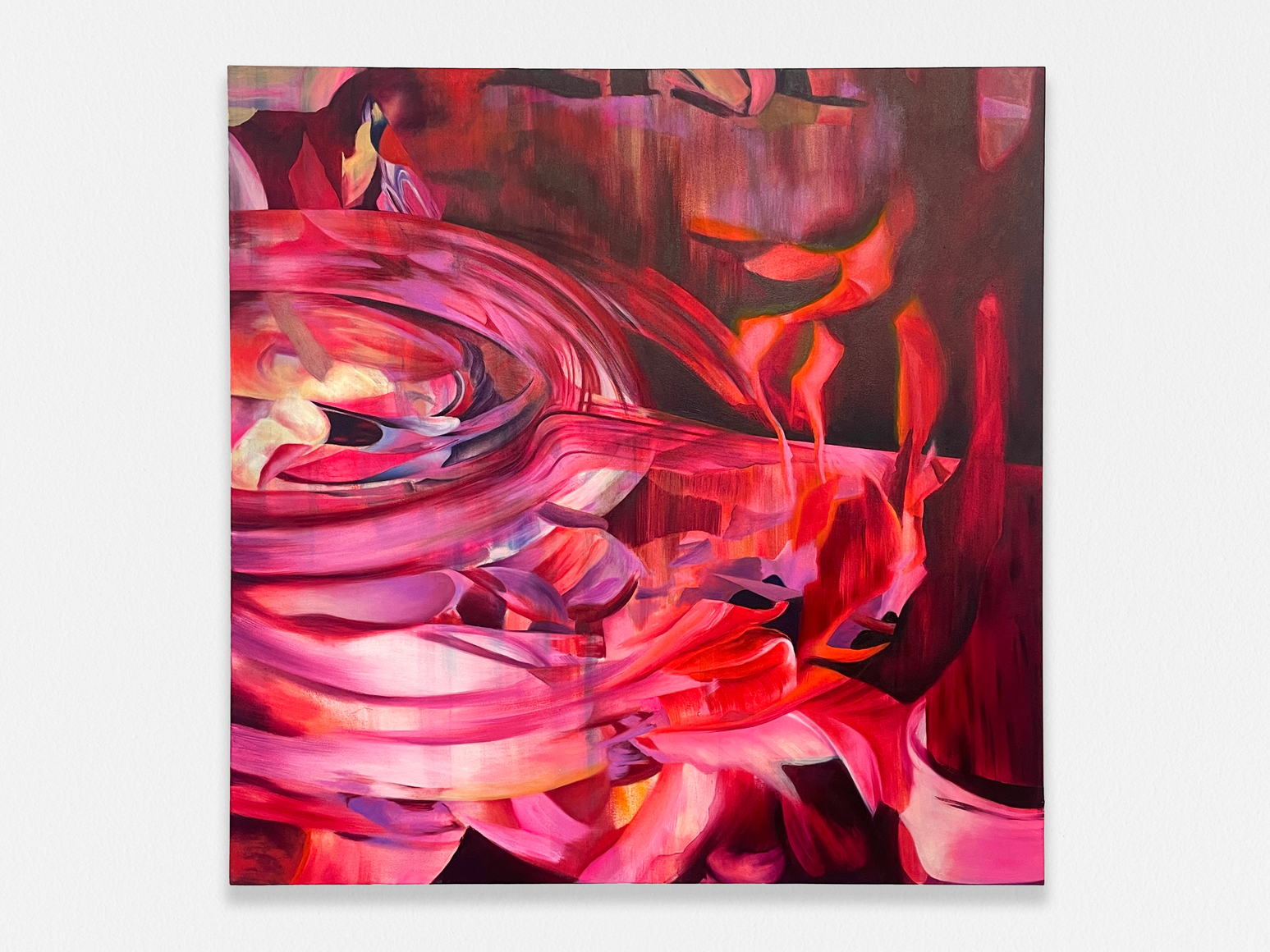
The edge of what you said, 2026
Oil on canvas
70 ¾ x 63 in / 180 x 160 cm
HB004
Helen Bermingham
Begin and end and end again, 2025
Oil on canvas
47 ¼ x 47 ¼ in / 120 x 120 cm
HB001
Helen Bermingham
Begin and end and end again, 2025
Oil on canvas
47 ¼ x 47 ¼ in / 120 x 120 cm
HB001
Helen Bermingham
The edge of what you said, 2026
Oil on canvas
70 ¾ x 63 in / 180 x 160 cm
HB004
Johannes Wohnseifer
Colony Collapse Disorder #20
2016
Acrylic, lacquer, Scotchlite, laser engraving on canvas, MDF and felt, mirrorpolished stainless steel frame
31 ½ x 25 ½ x 1 ½ in / 80 x 65 x 4 cm
JW_016
Areum Yang
Blue Hour, 2026
Acrylic, oil, oil pastel, pencil on canvas
50 x 38 in / 1127 x 96.5 cm
AY003
Areum Yang
Cloud Room, 2025
Acrylic, oil, and oil pastel on canvas
18 x 24 in / 45.7 x 61 cm
AY002
Areum Yang
My Own Plate, 2025
Acrylic, oil, oil stick, pencil on canvas
31 ½ x 31 ½ in / 80 x 80 cm
AY001
Joe Reihsen
Afternoon Swim, March, 2026
Oil on canvas
35 x 30 in / 88.9 x 76.2 cm
JR001
Joe Reihsen
Dawn Walk, March, 2026
Oil on canvas
60 x 72 in / 152.4 x 182.9 cm
JR002
Joe Reihsen
Dawn Walk, March, 2026
Oil on canvas
60 x 72 in / 152.4 x 182.9 cm
JR002
Meliksetian | Briggs is pleased to participate in the 2026 Dallas Art Fair, April 16-19, 2026.
The booth will feature a curated selection of works by:
Helen Bermingham
Petra Cortright
Meg Cranston
Todd Gray
Yifan Jiang
Dave Muller
Joe Reihsen
Adam Saks
Johannes Wohnseifer
& Areum Yang
The works presented reflect the gallery’s West Coast roots while also featuring artists from London, New York, Berlin, and Cologne. Works by Dave Muller, Meg Cranston, and Todd Gray epitomize the conceptually driven, post-studio practices that emerged from the seminal MFA program at the California Institute of the Arts. The pieces by these three artists share a resonant music theme, highlighting community, connection, and the interplay between pop culture and personal identity. Muller’s vibrant price tag painting transforms the ephemera of record store price stickers and worn tags, into a dense, meticulously rendered abstraction that chronicle a life spent crate-digging and the economics of musical discovery. His Disco Ball paintings capture fragmented reflections of musical environments and studio spaces in painstakingly executed facets of light and color, while his record stack portraits, painted spines of carefully chosen album piles, serve as intimate musical biographies that reveal taste, memory, and identity through the curation of a personal collection. Cranston brings a witty, anthropological lens to shared cultural symbols, incorporating music-related imagery of 2000s era indie bands and consumer objects that probe how meaning accrues in collective experience. Gray, who had a parallel career to his art practice as a music photographer in the 1980s and whose archive includes iconic portraits of artists from the Jacksons to Stevie Wonder, assembles his images into layered photographic sculpture that weave personal and cultural histories, subverting dominant narratives through a process of juxtaposition; in Pax 3 (2017), he arranges a photograph of a Michael Jackson shaking hands with Chuck Berry, with one of a young man from Ghana creating a powerful meditation on musical lineage, mentorship, race, and the complex intersections of pop stardom and Black cultural history.
Petra Cortright, another Los Angeles-based artist closely associated with the post-Internet generation that emerged in the 2010s, draws upon found online imagery of landscapes alongside her own photographs. She fuses these sources through a painstaking digital process, manipulating, juxtaposing, and painting within Photoshop pixel by pixel, before executing the final works on canvas or board. The resulting pieces evoke classical landscape traditions while embracing the fragmented, hyper-mediated aesthetics of the internet, creating ethereal yet unsettling panoramas that blur the boundaries between nature, technology, and perception.
Works by Yifan Jiang, Areum Yang, Joe Reihsen, and Helen Bermingham engage abstraction and representation in varied and compelling ways while investigating themes of memory, perception, and the fluid construction of reality. Jiang’s paintings fluidly shift between figuration and abstraction, blending personal memories with imagined scenes in dreamlike or magical-realist compositions. Yang renders domestic spaces as surreal, shifting interiors, familiar rooms, household objects, and figures that dissolve into gestural abstraction, creating psychological realms where memory and self-reflection intertwine with a sense of tender estrangement and belonging. Reihsen builds thick, illusory surfaces of neon-pastel paint that oscillate between digital precision and organic tactility, reflecting the atmospheric shifts of contemporary Los Angeles. Bermingham, through obsessive repetition and layering of painted fragments drawn from her own earlier works, constructs “fictionscapes” in which abstraction and figuration coexist in tension, turning memory into an evolving, open-ended process.
Johannes Wohnseifer contributes work from his Colony Collapse Disorder series, in which laser-engraved text, the phrases “money” and “honey”, are precisely removed from layered surfaces of acrylic, lacquer, felt, and fabric. These materially rich paintings draw a sharp parallel between the ecological crisis of disappearing bee colonies and the relentless logic of capital, blending critique of consumer culture with subtle formal elegance.
Adam Saks extends the dialogue between two and three dimensions with his tactile ceramics. His ceramics, built up with scraped surfaces, thick glazes, and wafer-thin translucent layers, give physical, sculptural presence to the themes of transformation, memory, and material decay.
Together, these artists demonstrate a rich dialogue between conceptual rigor and material experimentation, between personal archives and collective imagery, and between the legacies of CalArts’ critical thinking and the global, digitally inflected practices of today, each contributing distinct voices to the gallery’s presentation.

Major survey exhibiton of the work of Dave Muller Proto Typical at the Alyce de Roulet Williamson Gallery, ArtCenter College of Design, Pasadena, CA through August 8th.

Petra Cortright in conversation with Josh Goldblum of ArtWrld and Michael Connor from Rhizome Friday April 3rd, 2PM EST.
10 Art Shows to See in Los Angeles this April featuring Dave Muller's Proto Typical by Matt Stromberg in Hyperallergic.

Ian Etter's discussion of the work of Petra Cortright, featured at the Dallas Art Fair with Meliksetian | Briggs in Patron.